
Advances in the drug treatment of Alzheimer's disease: pathophysiology and mechanisms of action
Summary
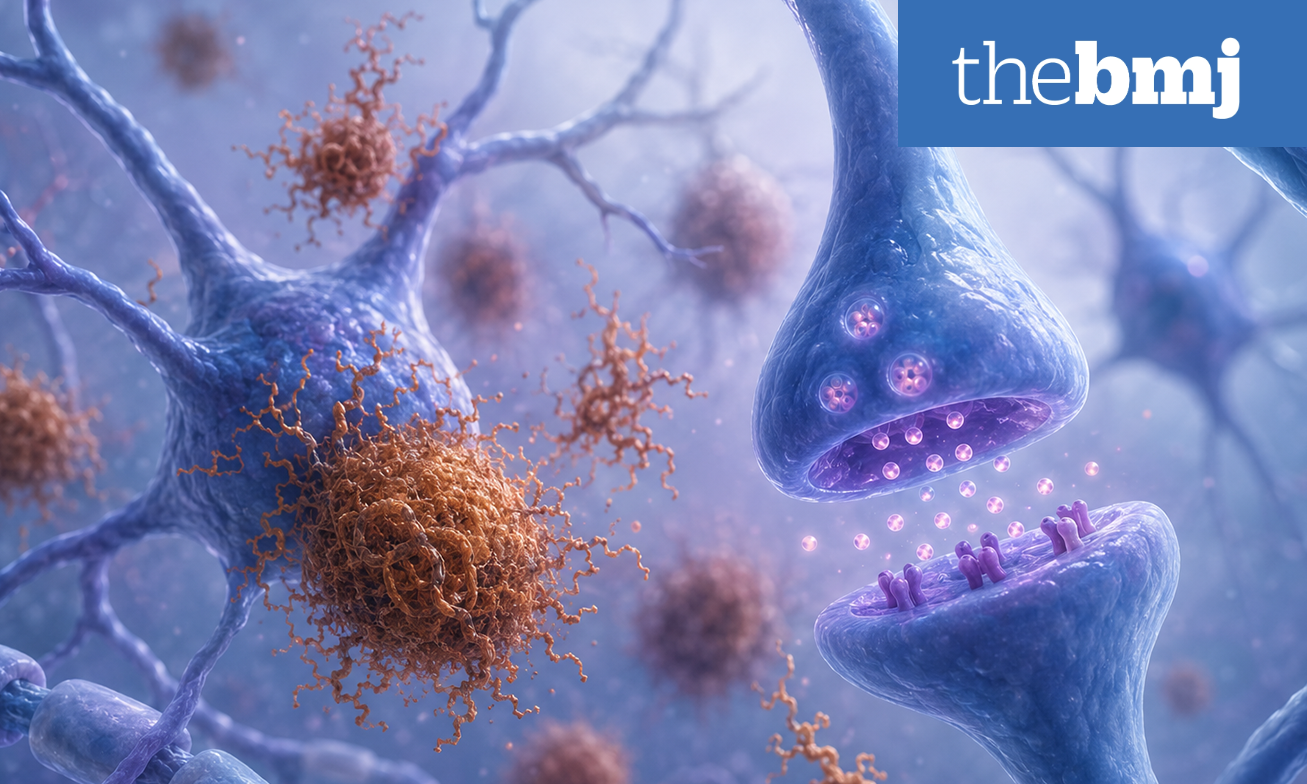
This research summarises recent progress in Alzheimer's disease treatment, including the first licensed disease-modifying anti-amyloid therapies. It explains Alzheimer's as a complex condition involving amyloid, tau, inflammation, metabolic dysfunction, synaptic loss, and progressive brain atrophy, rather than a disease driven by a single pathway.
Highlighting both the promise and limitations of current anti-amyloid treatments. These therapies have shown clinical benefit, but safety concerns such as amyloid-related imaging abnormalities remain important, and access may vary between healthcare systems. Continued decline after amyloid clearance also suggests that additional disease mechanisms need to be addressed.
The review points towards a future of more personalised and combination-based treatment strategies. It emphasises the importance of therapies targeting tau, neuroinflammation, synaptic and metabolic dysfunction, alongside better blood-based biomarkers, long-term safety data, and practical planning for implementation in real-world healthcare settings.
| Title | Advances in the drug treatment of Alzheimer’s disease: pathophysiology and mechanisms of action |
|---|---|
| Authors | Joseph Nowell; Harry Crook; Mony J. de Leon; Paul Edison |
| Journal | BMJ, 393:78881 |
| Published | 20 April 2026 |
| DOI | 10.1136/bmj-2023-078881 |
| Full Article | Publisher page / PubMed |