
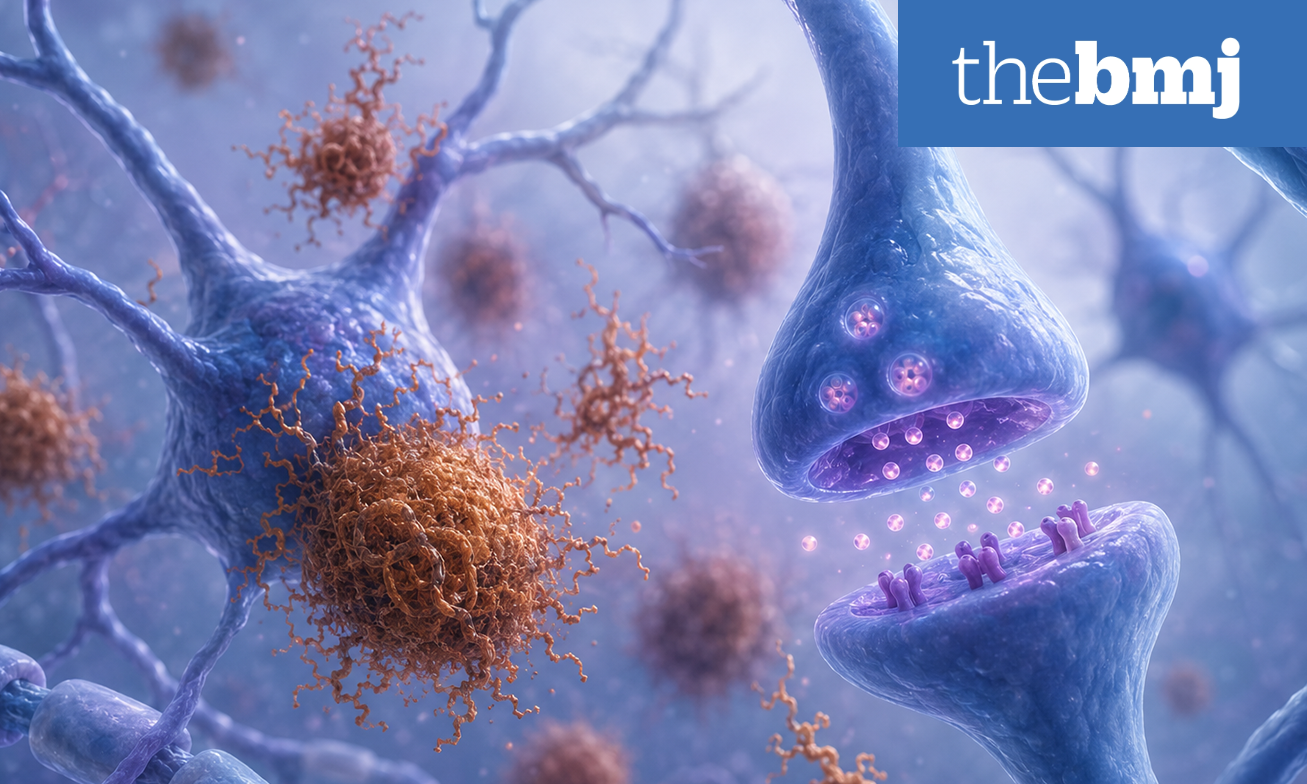
A comprehensive review of advances in drug treatment for Alzheimer's disease, covering pathophysiology and mechanisms of action of current and emerging therapies. The article discusses anti-amyloid immunotherapies, tau-targeting treatments, and repurposed drugs including GLP-1 receptor agonists.
Read More
This phase 2b randomised, double-blind, placebo-controlled trial (ELAD) evaluated the GLP-1 receptor agonist liraglutide as a treatment for Alzheimer's disease. The study demonstrated that liraglutide slowed decline in cerebral glucose metabolic rate and showed potential neuroprotective effects in patients with mild to moderate Alzheimer's.
Read More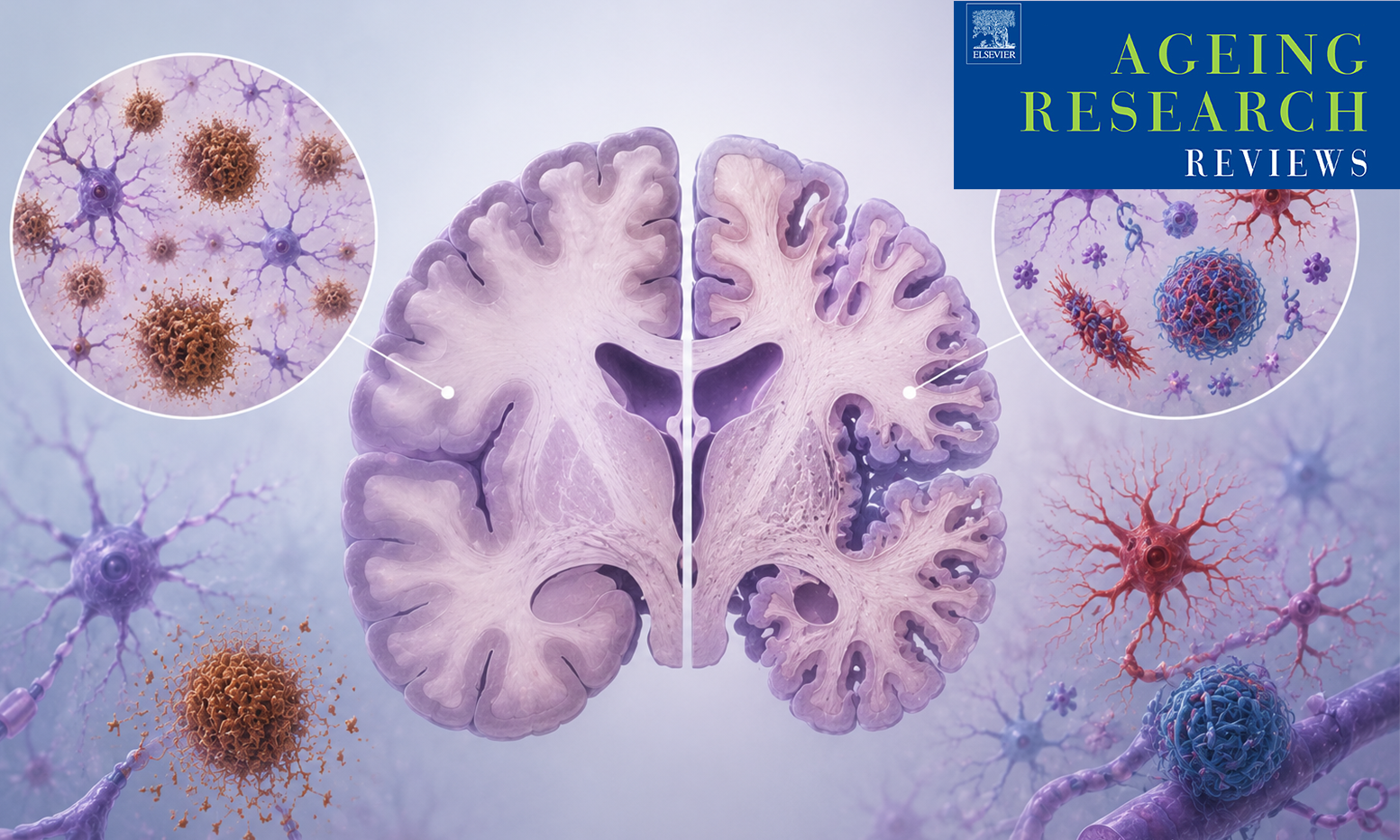
This article looks into progressive loss of neurons in the brain, which is one of the main processes in dementia and age-related cognitive impairment. This can be detected with current biomarker tests.
Read More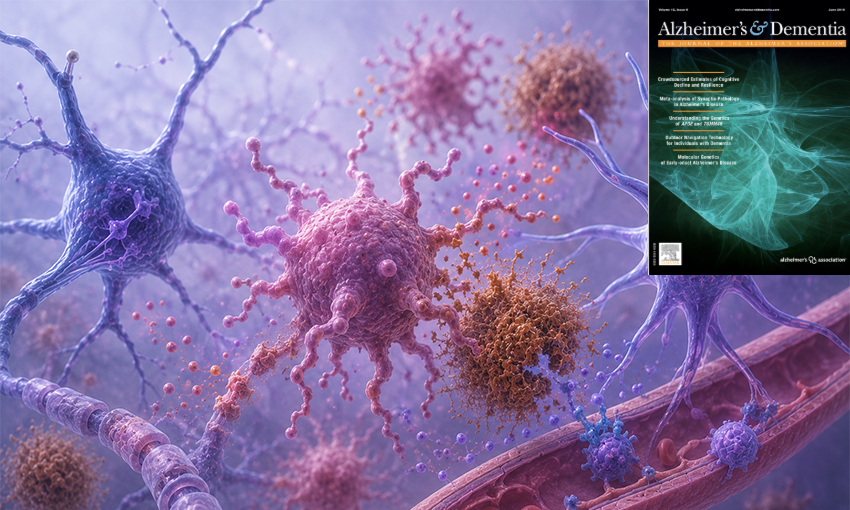
Several trials have investigated the use of anti-amyloid therapies in Alzheimer’s disease, but these have all had disappointing results.
Read More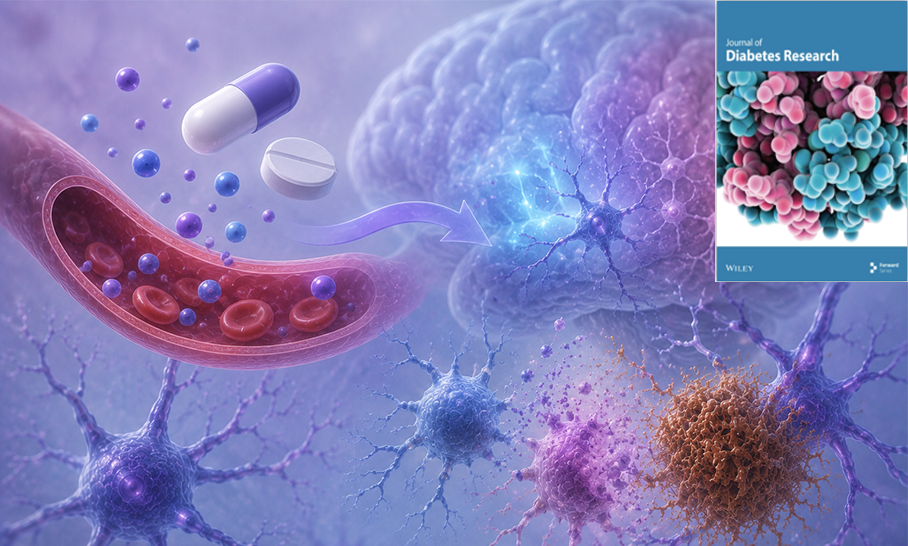
Diabetes and Alzheimer’s disease are both very common conditions in the UK’s elderly. In the last 20 years a link has been suggested between these diseases.
Read More
This study has looked into the resident immune cells in the brain and when they are present in the brain. It is thought that these are initially protecting the neurons and repair damage to them, however as the disease progresses they become damaging and trigger more inflammation in the brain.
Read More